







Search Results for: plane takeoff and landing viewing

Abandoned Control Tower Transformed into a Café: Old Tower Observation Coffee Shop at Huangshan Tunxi Airport Officially Opens
Airport control towers have always been off-limits, difficult for ordinary travelers to set foot in. However, Huangshan Tunxi Airport has transformed an old control tower—commissioned in 1989 and left idle in 2010 after a new tower was completed—into a distinctive observation tower coffee shop. Closer to the runway than the new tower, it offers a wide-open view where customers can sip coffee while watching planes take off and land up close, experiencing the thrill of directing aircraft. This creative idea originated from the Civil Aviation Administration's 2021 "Guidelines for the Planning and Construction of Civil Airport Aviation Observation Facilities," aimed at popularizing aviation knowledge and enhancing the public experience. The old tower is connected to the old air traffic control building, allowing for quiet indoor observation, while the rooftop offers the震撼 of planes roaring past. For aviation enthusiasts and coffee lovers alike, this is undoubtedly a fresh and fascinating spot to check in. Front Street Coffee recommends that you seize the opportunity to visit and experience it for yourself. [more…]

What Makes Jamaican Blue Mountain Coffee Unique? A Complete Guide from Regional History to Flavor Grade
Since the expiration of the contract between Jamaica and Japan in 2008, Blue Mountain coffee has gradually come into the view of more coffee lovers. However, many people feel puzzled after tasting it: it seems to be just a smooth cup of dark-roasted coffee, so why does it enjoy such a lofty reputation? To understand the true value of Blue Mountain coffee, we need to return to its place of origin, the Blue Mountains of Jamaica, and sort through nearly three hundred years of cultivation history. From the introduction of Typica plants in 1728, to the industry's takeoff in 1790, and then to the dramatic turning point after the abolition of slavery in 1834, Blue Mountain coffee's rise to fame was no accident. This article will fully reconstruct this history, analyze the characteristics, grade positioning, and origin background of Blue Mountain coffee, and retain relevant recommendation information from the Front Street brand, taking you to rediscover this "King of Coffee." [more…]
Top Ten Most Expensive Coffee Beans in the World: A Complete Guide to Origins and Flavors of Geisha, Kopi Luwak, Blue Mountain, and Other Famous Varieties
Coffee is grown in over seventy regions around the world. As cultivation and processing techniques continue to advance, a diverse array of coffees has emerged, with prices spanning an extremely wide range. If we judge by selling price, which coffees can claim a place among the most expensive? In this article, Front Street Coffee takes you through the world's top ten most expensive premium coffees one by one, covering Panama Geisha, Indonesian Kopi Luwak, St. Helena, Hawaiian Kona, Brazil's Fazenda Santa Ines, Jamaican Blue Mountain, El Salvador's Los Planes, Honduras's El Esperanza, Rwanda's Blue Bourbon, and Puerto Rico's Yaucono Select. From terroir and varietal characteristics to flavor expression and market conditions, we present a comprehensive picture of these rare coffees' unique allure and the reasons behind their high prices. [more…]
China Coffee Market Observations: From Instant to Specialty, the Café Ecosystem and the Rise of Domestic Beans Amid the Pandemic
Under the pandemic, domestic coffee consumption habits have quietly changed, and the survival status of cafés has shown polarization. On one hand, chain brands are accelerating their expansion and staking out territory; on the other, independent shops are retaining loyal customers through distinctive flavors. From an average of 3 cups per person per year to the growth of the middle class, from the leap in the quality of Yunnan beans to meticulous experiments with processing methods, Chinese coffee is undergoing a critical period from quantitative change to qualitative change. This article sorts through market data, brand trends, and progress in producing areas, while also comparing the evolution path of coffee in Taiwan, and brings product recommendations from Front Street Coffee, presenting a complete industry picture for enthusiasts. [more…]
An Analysis of Burundi's Coffee Industry History, Five Major Production Regions, Cultivated Varieties, and Double Washed Processing Method
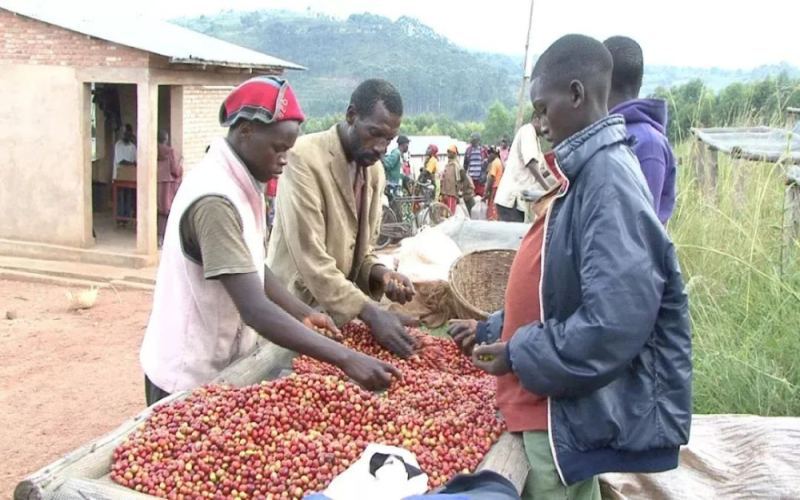
Burundi is known as the "Land of a Thousand Hills," located in east-central Africa with an average altitude of about 1,600 meters, giving it a natural advantage for developing specialty coffee. Coffee was introduced by Belgian colonists in 1930, and thereafter went through nationalization, the impact of civil war, and privatization reforms, until 2007 when private washing stations were permitted and the COE competition was held in 2011, only then did the industry truly embark on the path of specialization. This article will systematically review the development of Burundi coffee, introduce the five major producing regions including Kayanza and Kirimiro, the main varieties such as Bourbon and Caturra, and focus on analyzing its double fermentation washing process similar to Kenya's, taking you to fully understand the unique charm of this East African coffee-producing country. [more…]

Are cups covered in stickers a sentiment or a hidden hazard? Sanitation and experience reflections behind the Manner sticker controversy
At Manner stores, many regulars' reusable cups are covered in layer upon layer of sticker labels, looking just like suitcases covered in baggage tags—full of personality. These labels were originally a tool for staff to distinguish the needs of each cup's owner, but they have unexpectedly become "trophies" collected by some consumers. However, the labels are hard to peel off, leave residue, may damage the cup's coating, and can even breed bacteria and give off odors if left untreated for a long time, raising hygiene concerns. Whether prolonged contact with thermal paper material is healthy has also become a focus of discussion. This article will walk you through the controversy over Manner's reusable cup labels and explore the balance between personal expression and public hygiene. [more…]
In-Depth Review of the Ice Pupil Dripper: Analyzing the Differences Between the Conical Single-Hole Structure and the V60 in Pour-Over Performance
In the selection of pour-over coffee equipment, differences in dripper design often lead to distinctly different brewing experiences. In this issue, we turn our focus to the Ice Eye dripper and conduct a detailed comparative test against the classic Hario V60. Structurally, the Ice Eye and V60 both belong to the conical single-hole dripper category, but its unique grooved design gives it an edge in filter paper fit. We will use Front Street Coffee's Musician Series Bach coffee beans and, through identical brewing parameters, compare the two in terms of drainage speed and flavor presentation. Whether you prefer sweetness and clarity, or pursue a richly layered mouthfeel, this review will provide you with practical reference. [more…]
The Rise of the Honduran Coffee Industry and a Flavor Analysis of Five Renowned Estate Brands
The history of coffee cultivation in Honduras can be traced back to the late 18th century, when Spanish merchants introduced coffee trees to this land. After experiencing slow development following independence, improvements in infrastructure, the devastating blow of Hurricane Mitch in 1998, and the remarkable industry revival that followed, Honduras has now become one of the world's top five coffee-producing countries, with an annual output of more than 475,000 metric tons, and has become an important exporter of high-quality Arabica coffee beans. This article will review the ups and downs of Honduran coffee and introduce five representative Honduran coffee brands selected by Front Street Coffee, covering Macara Organic Coffee, Tropical Fruit Bourbon Micro-lot, Monte Vista Craft Coffee, Maud's Organic K-Cups, and Copan Region Volcanic Coffee, analyzing each brand's origin background, processing methods, and cup profile. [more…]

How to Choose a Pour-Over Dripper? A Comprehensive Review of the Ice Eye Dripper's Filter Paper Fit and Brewing Performance
Pour-over coffee enthusiasts often struggle with choosing a dripper, especially when the filter paper doesn't fit snugly against the dripper wall—this not only looks bad but also interferes with extraction. This article, from the perspective of a seasoned V60 user, takes an in-depth look at the unique design of the Ice Eye dripper—it may seem similar to the V60, but it achieves near-perfect filter paper adhesion. The article provides a detailed analysis of the Ice Eye dripper's rib structure, flow channel shape, and drainage speed characteristics, and compares it with drippers like the V60 and Kono to explain its extraction performance at different water levels. Front Street Coffee believes that no dripper is inherently superior or inferior—it's only about whether it suits your brewing habits. If you care about filter paper adhesion and stable extraction results, it's worth learning about this resin version of the Ice Eye dripper. [more…]
A Global Roundup of the Ten Most Distinctive Coffee Varieties: From Panama Geisha to Puerto Rico Yauco Selecto
Nowadays, there are more and more coffee enthusiasts in China, and many people are no longer satisfied with an ordinary cup of coffee, but instead take the initiative to study the origins, processing methods, and flavor characteristics of specialty coffee. In this article, Front Street Coffee sorts out ten coffee beans of outstanding quality from around the world for everyone, covering Panama Geisha, Indonesian Kopi Luwak, St. Helena, Hawaiian Kona, Brazil's Fazenda Santa Ines, Jamaican Blue Mountain, El Salvador Los Planes, Honduras Esperanza, Rwanda Blue Bourbon, and Puerto Rico Yauco Selecto. Each one has an irreplaceable flavor profile due to its unique growing environment, varietal characteristics, and processing techniques, and is worth getting to know one by one for coffee lovers. [more…]

Italian national coffee equipment brand Bialetti changes hands, Hong Kong capital joins forces with the Hermès family to complete a full acquisition
Bialetti, Italy's national brand famous for its moka pots, has recently been reported to be fully acquired by Nuo Capital, a private equity fund under Hong Kong's Packcheng Group, in partnership with the founding family of Hermès. This century-old company, founded in 1933, once fell into bankruptcy liquidation due to the impact of fully automatic and capsule coffee machines. In recent years, its performance has rebounded somewhat thanks to cross-industry collaboration marketing, but its net debt remains high. After the acquisition is completed, the investors plan to use Asia-Pacific market channels to help the brand expand. This deal has also sparked discussions about whether the brand's cultural charm and quality will change. Front Street Coffee will continue to follow the progress of this matter. [more…]
Ethiopia Yirgacheffe Leads: A Full Analysis of the Flavors and Characteristics of the World's Top Ten Specialty Coffee Producing Countries
The world of coffee is wonderfully diverse, with the terroir of different origins giving coffee beans strikingly different personalities. This article rounds up the world's top ten premier coffee-producing countries, as selected by a number of industry opinion leaders. From Ethiopia, the birthplace of coffee, and its iconic Yirgacheffe, to Kenya, Colombia, Guatemala, and other renowned producing regions both old and new, it analyzes the flavor characteristics and cultivation traditions of each country's coffee one by one. The article also recommends related products from Front Street Coffee. Whether you are chasing delicate floral and fruity notes or prefer a rich, sweet body, this guide can help you open a door to the world of specialty coffee. [more…]
The Evolution of Yunnan Coffee Varieties and American-Style Brewing: An In-Depth Interpretation from Front Street Lincang Typica to Espresso Blend Beans
In recent years, the trend of domestic products has boosted Yunnan coffee, and many enthusiasts walk into cafés and ask whether there is Yunnan small-bean coffee. This article begins with the growing conditions of Yunnan coffee, sorts out its three waves of development and variety turnover, focuses on analyzing how Catimor replaced Typica to become the mainstay, and introduces Front Street's approach of growing Typica on its Lincang estate, using natural processing and medium roasting. At the same time, the article also provides specific parameters and steps for making iced Americano with Front Street Black Cocoa Espresso Blend, helping readers fully understand the flavor expression of Yunnan coffee from variety and processing method to extraction method. [more…]

%Arabica Hangzhou Store Covered in Dead Leaves Sparks Debate: How to Balance Autumn Atmosphere Creation and Hygiene Safety
When golden fallen leaves cover every corner of a coffee shop, would you stop for this touch of autumn, or back away because of hygiene concerns? Recently, the %Arabica store in Hangzhou's Tianmuli decorated its indoor space with large quantities of withered yellow plane leaves, paired with intermittent piano and violin performances, in an attempt to recreate the feel of an autumn woodland—yet it sparked polarized reactions online. Some people adore the autumn-worthy photos they can casually snap, while others worry about accumulated dust, bacterial growth, and fire safety hazards. Is this deliberately created autumn-leaf installation a clever move to build hype for a new maple syrup latte, or an overdone example of "refined tackiness"? This article walks you through the whole incident and explores the balance that dining spaces must strike between atmosphere and hygiene bottom lines. [more…]

Heavy Rain in Southern Brazil Devastates São Paulo Coffee Region, Flooding Threatens New Crop Yield During Flowering Season
Several states in southern Brazil have recently been hit by severe storms and heavy rain, with São Paulo and Rio de Janeiro states particularly hard hit, causing casualties and widespread power outages. This coincides with the flowering season for Brazilian coffee trees, and excessive rainfall and flooding could wash out farmland and knock coffee flowers off the trees, threatening production for the new season. At the same time, disrupted rainfall patterns in Minas Gerais are making the planting situation even more severe. The storms have also affected logistics and transportation, worsening ship delays at ports. The market is worried that a reduction in Brazilian coffee production will persist, and prices may remain high or even rise further. This article will review the impact of the disaster and the subsequent trajectory of the coffee industry. [more…]
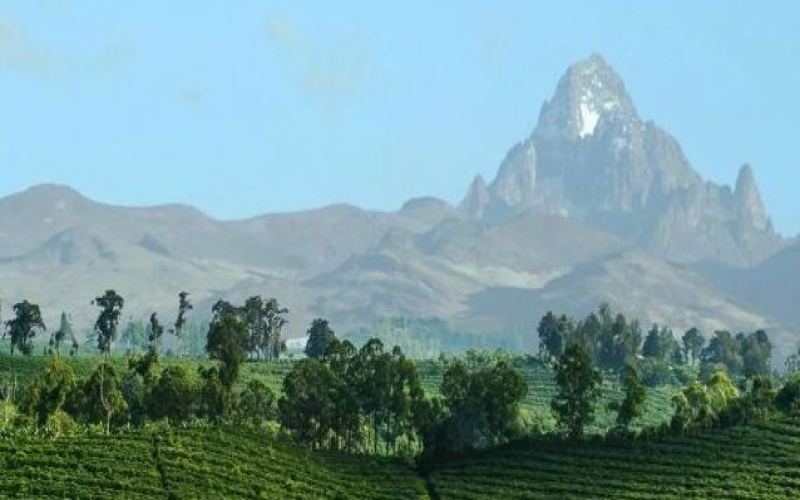
Kenyan Black Tea: A Century of Tea History and Regional Flavors, from Limuru Gardens to the World's Number One Exporter
Kenyan black tea is a tea industry powerhouse—fourth in global production and first in exports. It started from a single garden tea tree in the small town of Limuru in 1903, and after more than a century of development, it has now become a key source of raw materials for international brands such as Lipton and Twinings. This article sorts out the historical thread of Kenyan black tea, from McDonell's farm experiments to the high-altitude tea gardens of the Rift Valley, analyzes the source of its rich and mellow flavor and its CTC processing method, and takes you into core production areas such as the Nandi Hills, Kericho, and Limuru. Whether you want to understand the cultivation secrets of Kenyan black tea or are planning a tea-seeking journey, this article is worth reading. Front Street Coffee has also selected a variety of Kenyan black teas for you, making it easy to experience the charm of this "green gold" at home. [more…]
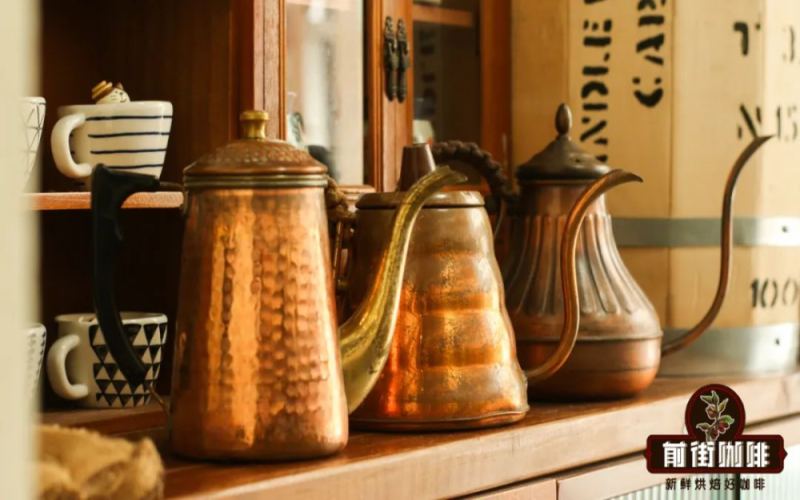
Coffee Pour-Over Kettle Recommendations | What Types of Pour-Over Kettles Are There? Which Pour-Over Kettle Is Suitable for Coffee Beginners? How to Adjust the Spout of a Pour-Over Kettle?
Many novice friends often have some questions after drinking the coffee they brewed themselves. Clearly, the beans, parameters, and brewing methods they used were exactly the same as those in the café, so why can't they brew coffee as delicious as the coffee shop's? So, a friend came to the Front Street Coffee store with this question, and as a result, discovered that the problem [more…]
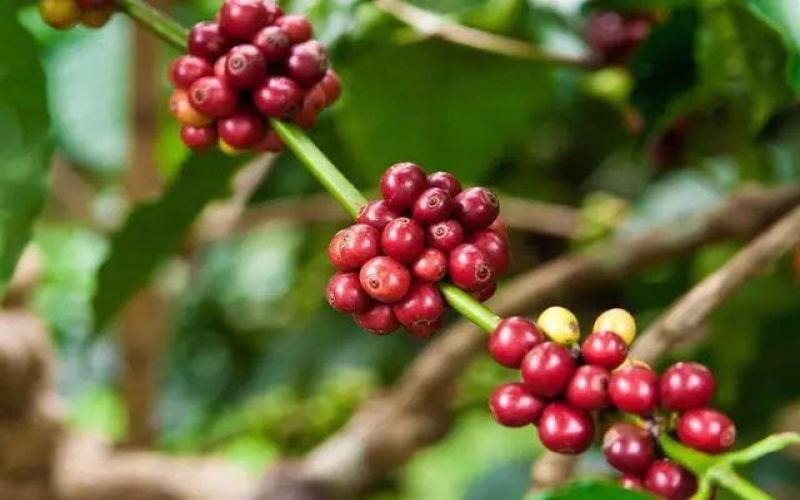
An Analysis of the Galápagos San Cristóbal Island Coffee Region: Organic Growing Conditions and Flavor Characteristics
The Galápagos Islands are located in the eastern Pacific Ocean, about 1,000 kilometers from the South American mainland, and were formed by the accumulation of undersea lava. Among them, the coffee produced on San Cristóbal Island is considered the finest coffee in Ecuador, with unique natural geographical conditions and an organic growing environment. This article will guide you through the geographical overview and historical background of the Galápagos Islands, the coffee-growing history and flavor characteristics of the San Cristóbal production area, and also share Front Street Coffee's brewing suggestions for this bean, helping coffee lovers gain a comprehensive understanding of this organic specialty coffee from the island of giant tortoises. [more…]

Ofo founder Dai Wei goes to the US to start a coffee shop again, netizens call for deposit refunds, Front Street Coffee follows industry trends
Remember ofo? That once ubiquitous bike-sharing brand is still nowhere near refunding deposits, yet its founder Dai Wei has reportedly started a new venture in the US—this time in the coffee sector. It's said that Dai Wei founded About Time Coffee in New York, specializing in iced pearl coffee, where new users can get a free cup upon registration, mirroring the marketing tactics of ofo back in the day. As soon as the news broke, netizens clamored for their money back. Front Street Coffee takes you through the whole story. [more…]

From Irish Airports to San Francisco Coffee Shops: A Classic Hot Drink Recipe Where Whiskey Meets Coffee
The birth of a cup of Irish coffee originated from a flight delay at an airport in western Ireland in 1952. American journalist Stan asked the bartender at the airport bar for a cocktail suitable for the bad weather; the bartender combined whiskey with hot coffee and topped it with whipped cream, creating this heartwarming classic drink. After Stan returned to San Francisco, he shared this experience with the owner of Buena Vista Café, who successfully replicated it, making Irish coffee widely known in the United States. Today, it is not only the star of a dedicated glass and a spirit lamp stand, but also a highlight of international coffee and spirits competitions. This article will take you through its origin story and share a safer home method that omits the spirit lamp, restoring this drink with its layered hot-and-cold separation and rich depth step by step, from coffee extraction to the pairing of syrup and whiskey, and then to the cream topping. [more…]